Healthy Snacks for Kids: What Works, What Doesn't, and Why It Matters
Children's snacking has become one of the most commercially contested spaces in modern parenting. Walk through any grocery store and the children's snack aisle is a masterclass in marketing to parents: colorful packaging, health claims in large font, cartoon characters next to reassuring phrases like "made with real fruit" and "no artificial colors." The nutritional reality is often considerably less impressive than the branding.
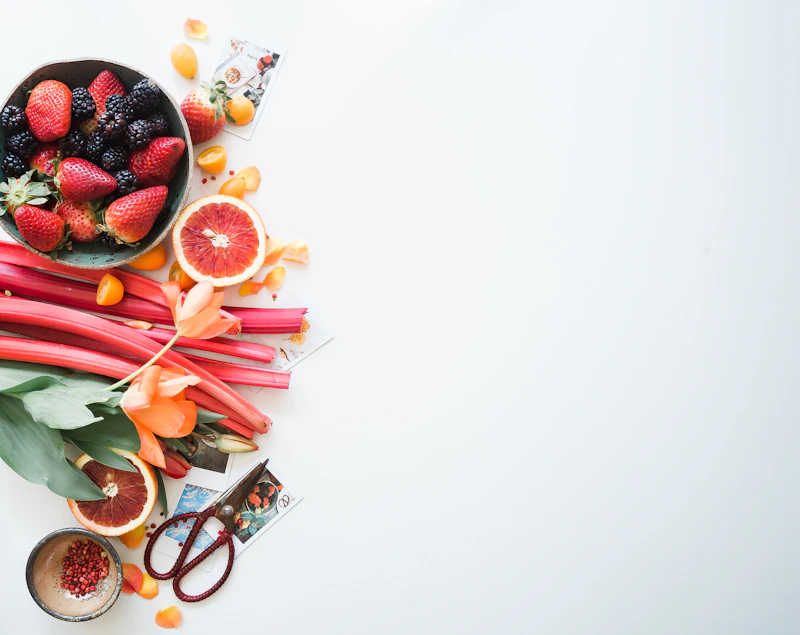
At the same time, snacking itself is a legitimate and important part of how children eat. Young children have small stomachs and high energy demands relative to their body size. Well-timed, well-chosen snacks genuinely support growth, stable energy, focus, and mood. The goal isn't to eliminate snacking — it's to make it work for your child's actual needs rather than for a food company's bottom line.
Why Snacking Matters for Children
Children's caloric needs per pound of body weight are higher than adults' — they're building bone, brain, muscle, and immune system simultaneously. Most young children cannot eat enough at three meals alone to meet these needs. Regular snacks bridge the gap between meals, prevent the blood sugar crashes that produce the classic pre-lunch meltdown, and help children arrive at mealtimes hungry but not ravenous (the latter tends to produce difficult, high-emotion meals).
The American Academy of Pediatrics recommends a structured approach to children's eating: three meals and two to three planned snacks daily, with the adult responsible for what and when is offered, and the child responsible for whether and how much they eat. This "division of responsibility," developed by dietitian Ellyn Satter, is the most evidence-supported framework for raising healthy eaters.
What Makes a Snack Actually Nutritious
A nutritious snack provides at least two of these three components:
- Protein: Builds and repairs tissue, supports immune function, and — critically for snacks — slows digestion and stabilizes blood sugar, preventing the energy crash that follows a carbohydrate-only snack.
- Healthy fat: Supports brain development (particularly important under age 5), provides sustained energy, and aids the absorption of fat-soluble vitamins (A, D, E, K).
- Complex carbohydrates and/or fiber: Whole grains, fruits, and vegetables provide energy along with fiber, vitamins, minerals, and phytonutrients. Fiber slows glucose absorption, supporting steadier energy.
A fruit pouch provides carbohydrates and some vitamins but no protein or fat — it's a quick energy hit that will likely produce hunger and crankiness within an hour. The same fruit with a few cubes of cheese or a small spoonful of nut butter becomes a genuinely sustaining snack.
Reading Labels: What to Actually Look For
Packaged snacks marketed to children are often surprisingly high in added sugar, refined grains, and sodium — even those positioned as "healthy." The most useful label-reading skills:
- Ingredients list: Ingredients are listed in order by weight. If sugar (or any of its aliases: corn syrup, dextrose, fructose, cane juice, etc.) appears in the first three ingredients, the product is primarily a sweet. There are at least 61 different names for added sugar that appear on labels.
- Added sugars: Look for "Added Sugars" on the Nutrition Facts panel (distinct from naturally occurring sugars in fruit and dairy). The CDC recommends limiting added sugar to less than 10% of daily calories — for a toddler, that's a very small amount.
- Serving size: A "snack" that lists 1.5 cookies as a serving is designed to make the numbers look better than they are.
- Short ingredient list: Real foods have few ingredients — ideally ones you recognize and could buy separately.
Snack Ideas by Age
For Babies Transitioning to Solids (6–12 Months)
At this stage, snacking is about exploration and practice rather than significant caloric contribution — breast milk or formula still provides the primary nutrition. Focus on soft, manageable textures:
- Soft banana pieces or ripe avocado
- Mashed sweet potato
- Soft cooked vegetable pieces (carrot, broccoli florets, peas)
- Small pieces of soft-cooked egg (a good first protein)
- Plain whole-milk yogurt (no added sugar)
For Toddlers (1–3 Years)
Toddlers benefit enormously from the combination approach — pairing something they reliably eat with something new or slightly challenging:
- Apple slices with almond or sunflower seed butter
- Full-fat cheese cubes with whole-grain crackers
- Plain yogurt with berries stirred in
- Sliced banana with a small portion of nut butter
- Hummus with soft pita triangles and cucumber rounds
- Hard-boiled egg (halved or quartered) with fruit
- Avocado on toast, cut into strips
- Edamame (lightly salted, hulled)
For Preschoolers (3–5 Years)
Preschoolers can participate more actively in snack preparation, which research consistently shows increases willingness to try new foods:
- Ants on a log: celery with nut butter and raisins (a classic for good reason)
- DIY trail mix: whole-grain cereal, raisins, sunflower seeds, a few chocolate chips
- Mini caprese: small mozzarella balls with cherry tomatoes (quarter both for children under 4 — round, slippery foods are choking hazards in this age range)
- Smoothie they help blend (frozen fruit, yogurt, milk)
- Whole-grain English muffin with cream cheese and cucumber slices
- Quesadilla triangles with guacamole
Navigating the Picky Eater
Food selectivity is extremely common in the toddler and preschool years and generally reflects normal developmental processes — a drive for autonomy combined with an evolutionary caution about new foods. It is not a character flaw, a parenting failure, or a medical emergency (in most cases).
Research-supported strategies for expanding a selective eater's snack repertoire:
- Repeated neutral exposure: A food needs to be offered up to 10–15 times before many children will try it. Offer without pressure, comment, or reward. Just have it available.
- Food bridging: Find a food your child loves and identify a similar food to introduce alongside it. Loves bananas? Try plantain chips. Loves crackers? Try rye crispbreads.
- Involvement in preparation: Children who wash, stir, or arrange their own snack are significantly more likely to eat it than those who were not involved.
- Avoid the pressure trap: Research consistently shows that pressuring children to eat increases aversion to the pressured food over time. Offer, don't insist.
Snacks and Sleep
The timing and composition of afternoon and evening snacks can significantly affect children's sleep quality — a relationship we explore in detail in our post on the nutrition and sleep connection. In brief: a small, protein-containing snack before bed can prevent hunger-related night waking, while sugar-heavy evening snacks can produce the blood sugar crash that disturbs sleep at precisely the wrong time. The bedtime snack, if offered, should be small and simple: a few crackers with cheese, a banana, or a small bowl of oatmeal.
Snacking and the Feeding Relationship
Food is never purely nutritional — it's relational, emotional, cultural, and developmental. The snacking practices you establish in early childhood are shaping your child's relationship with food for decades. Children who grow up in environments where all foods are available without moralizing, where hunger and fullness cues are respected, and where eating is a pleasurable and connected experience tend to develop healthier relationships with food in adolescence and adulthood than children raised in environments of restriction, pressure, or food as reward.
This doesn't mean anything goes. It means that the how of snacking — the atmosphere, the expectations, the emotional register — matters as much as the what. Sitting briefly with a child during their snack, without screens and without agenda, turns an ordinary moment into a small connection. Over years, those small connections accumulate into the foundation of trust and openness that makes harder conversations possible later.
"The food you eat can be either the safest and most powerful form of medicine or the slowest form of poison." — Ann Wigmore
Simple Principles to Return To
When snack choices feel complicated, return to these:
- Real food over packaged food when possible
- Combine protein or fat with carbohydrates for lasting energy
- Offer variety without pressure
- Limit added sugar without making sugar a forbidden or magical food
- Let children have input within the structure you've set
- Trust the process — children's appetites fluctuate, and that's normal
The snacks you offer your child aren't just food. They're the daily expression of your care for their growing body — and the beginning of a relationship with eating that can sustain them for a lifetime.
Want to stay updated on our journey?
Join our mailing list